
Most businesses assume that access to European financial markets requires EU regulation. Liechtenstein proves otherwise—and for international businesses, this distinction matters more than many realize.
Liechtenstein is not an EU member state. Never has been. Yet regulated financial institutions based there enjoy the same passporting rights as institutions from Germany, France, or any other EU country, thanks to membership in the European Economic Area (EEA). The result: full regulatory access to EU markets—from a jurisdiction that operates outside EU tax harmonization, its bureaucratic structures, and its political constraints.
What EEA Membership Means in Practice
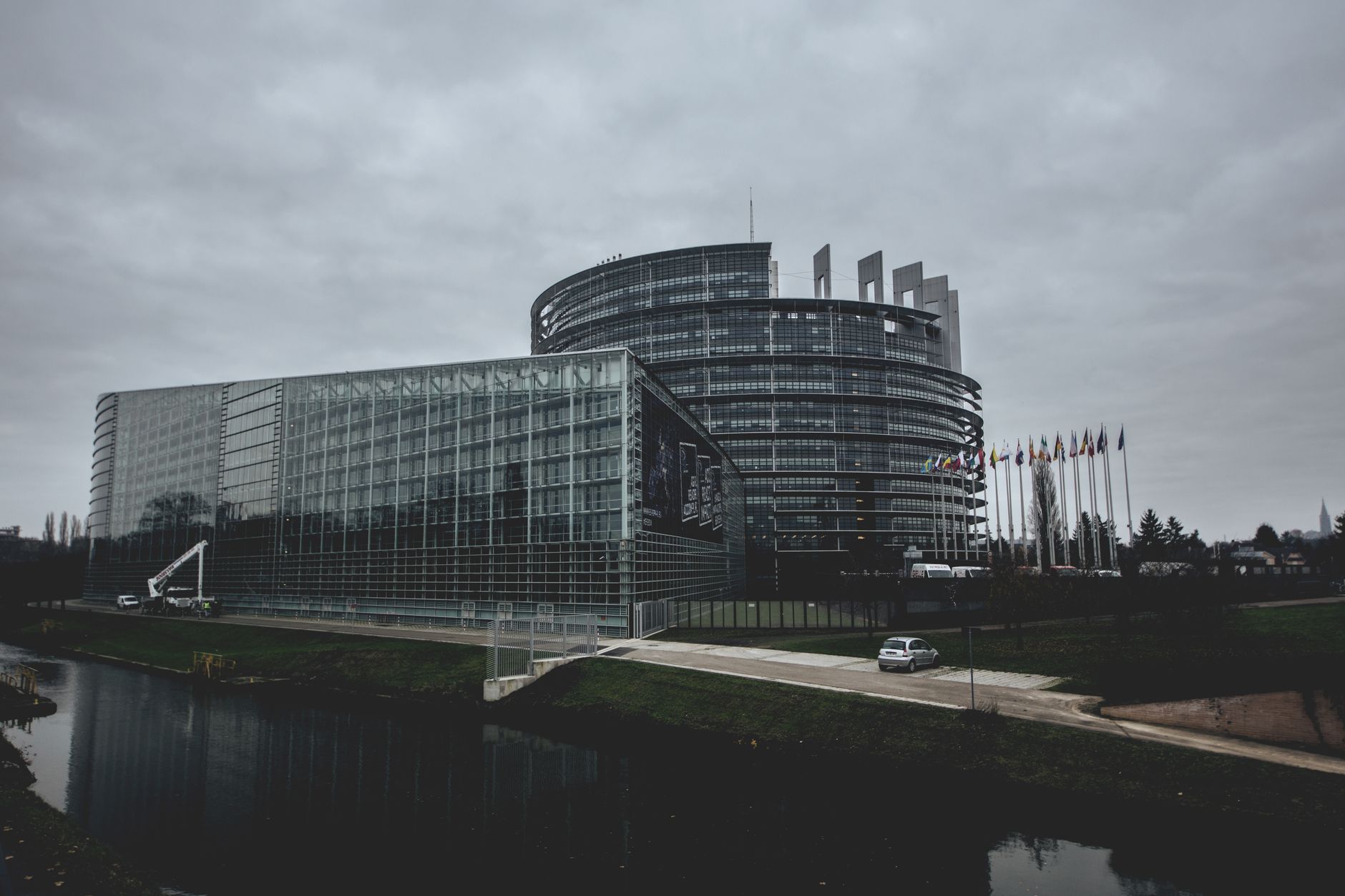
The EEA Agreement extends the EU single market—including the free movement of capital, services, and goods—to three non-EU states: Norway, Iceland, and Liechtenstein. Crucially, EEA membership includes mutual recognition of financial regulation.
An Electronic Money Institution (EMI) licensed by the Financial Market Authority Liechtenstein (FMA) holds a license recognized across all 30 EEA states. This means: account management, payment processing, and client servicing throughout the entire EU area—without separate licensing in each individual country.
This isn't a workaround or a regulatory grey zone. It's the same passporting mechanism used by EU-based institutions, consistently applied to EEA members. For businesses like Tantum Pay, this means: full operational freedom in European payment services, without the administrative and political obligations of EU membership.
The license isn't just valid on paper. It encompasses all rights to cross-border freedom of services—from SEPA access to issuing IBANs in the company name in euros, US dollars, British pounds, and Swiss francs.
Why Non-EU Status Is an Advantage, Not a Limitation

The European Union is not just an economic area, but also a regulatory and political union. This brings obligations that don't always align with international holding structures or businesses operating across multiple jurisdictions.
Liechtenstein participates in the economic benefits of the single market without being subject to EU directives governing national tax policy, corporate governance requirements, or additional reporting layers. For businesses with holding structures spanning multiple regions—or for founders themselves based outside Europe—this creates considerable flexibility.
Operating through a Liechtenstein-regulated institution provides EEA-compliant supervisory standards without pulling the business into EU frameworks designed for internal-market-oriented European firms. This is particularly relevant for sectors that face rejection from traditional EU banks: VASPs, Web3 businesses, affiliate networks, or gaming operators. These sectors require regulatory clarity, not politically motivated risk aversion.
Liechtenstein offers exactly that: clear rules, professional supervision, and a pragmatic stance toward innovative business models—without the ideological reservations prevalent in many EU jurisdictions.
What This Means for Businesses with EU Clients

If your customers, business partners, or revenue streams are in Europe, you need financial infrastructure that functions within European payment systems. SEPA access, EU-recognized IBANs, compliance with European AML standards—these aren't optional features when operating cross-border at scale.
A Liechtenstein-regulated electronic money institution provides exactly that. Payments run on the same rails. Compliance is recognized within the same framework. Your customers see no difference. The difference lies in the structure behind it: lower administrative overhead, a jurisdiction built for international commerce, and regulatory supervision that is thorough without being bureaucratic.
For businesses making mass payouts to affiliates, creators, or freelancers across Europe, this is critical. Tantum offers not only multi-currency IBANs for this purpose, but also CSV upload and API-based payout infrastructure—scalable, compliant, and without the friction that arises when traditional banks try to force cross-border business models into national account structures.
EEA passporting rights also mean: no separate contracts, no country-specific approvals, no regulatory uncertainties when expanding into new markets. Operating through Liechtenstein, you're operational across 30 EEA states from day one.
Regulatory Credibility: The Role of the FMA Liechtenstein

Liechtenstein's FMA is known for stringent licensing standards. This rigor is part of the value. Institutions regulated here are taken seriously throughout the EEA because the barrier to authorization is high.
The FMA applies the same European regulatory standards as its counterparts in Frankfurt or Paris—but with a pragmatic approach tailored to international business models. This isn't 'regulatory shopping,' but a deliberately designed legal framework that enables innovation without compromising supervision or compliance.
Particularly in the context of MiCA (Markets in Crypto-Assets Regulation), this positioning becomes even more relevant. MiCA creates EU-wide uniform standards for crypto-assets and their service providers—and Liechtenstein is fully integrated into this regime. Businesses holding a VASP license or EMI authorization in Liechtenstein today are automatically positioned for the MiCA era.
The MiCA Regulation takes effect gradually from 2024 and will fundamentally reshape access to EU markets for crypto service providers. Operating from an EEA jurisdiction with clear supervisory structures provides a massive advantage over providers from non-European jurisdictions or those attempting to operate through fragmented national licenses.
For Whom This Advantage Is Critical

International holding companies, businesses operating across multiple regions, and founders who need EU market access without anchoring their structure within the EU will struggle to replicate this combination elsewhere.
It's a specific advantage resulting from a specific geography—one that's often overlooked because Liechtenstein is small and its role in European finance remains underexplained. But for businesses that value jurisdictional flexibility, regulatory credibility, and operational efficiency, Liechtenstein isn't a niche solution. It's a strategic choice.
Tantum Pay holds an EMI license from the FMA Liechtenstein. This means not only EEA passporting and multi-currency accounts (EUR, USD, GBP, CHF) with dedicated IBANs. It also means: a counterparty that understands how international business models work—and provides the infrastructure they need.
If you're evaluating your financial infrastructure and want to understand the jurisdictional considerations that come with it, a conversation is worthwhile. Not every bank or EMI is built the same. The question is which structure fits your business model—and which regulatory home offers the freedom you need without sacrificing the credibility your partners expect.
Liechtenstein offers what many international businesses seek: full access to the European single market, without the regulatory and political obligations of EU membership. For businesses operating cross-border, this isn't a detail—it's a structural advantage.
If you'd like to understand how a Liechtenstein EMI license could transform your financial infrastructure, speak with our team. We'll explain what a Tantum Corporate Account means for your business model.
Tags: #eea-passporting#liechtenstein emi#fma regulation#mica compliance#multi-currency accounts#corporate accounts