
⏱ 7 min read · 1,629 words
Why the principality’s regulated financial ecosystem delivers what larger centres often can’t.
When finance professionals map Europe’s leading jurisdictions, Liechtenstein rarely tops the list. Luxembourg, Ireland, and Switzerland dominate the conversation. Yet for businesses that need regulated payment infrastructure with genuine reach across European markets, this 160-square-kilometre principality has built one of the continent’s most coherent financial ecosystems.
For companies working in Web3, high-volume cross-border commerce, or sectors that traditional banks routinely decline, understanding Liechtenstein’s regulatory framework is not academic curiosity — it is competitive advantage. Here is why the principality deserves closer attention, and how its unique position within the EEA creates practical benefits that larger financial centres often cannot match.
Regulated by European Standards, Not Compromised Ones
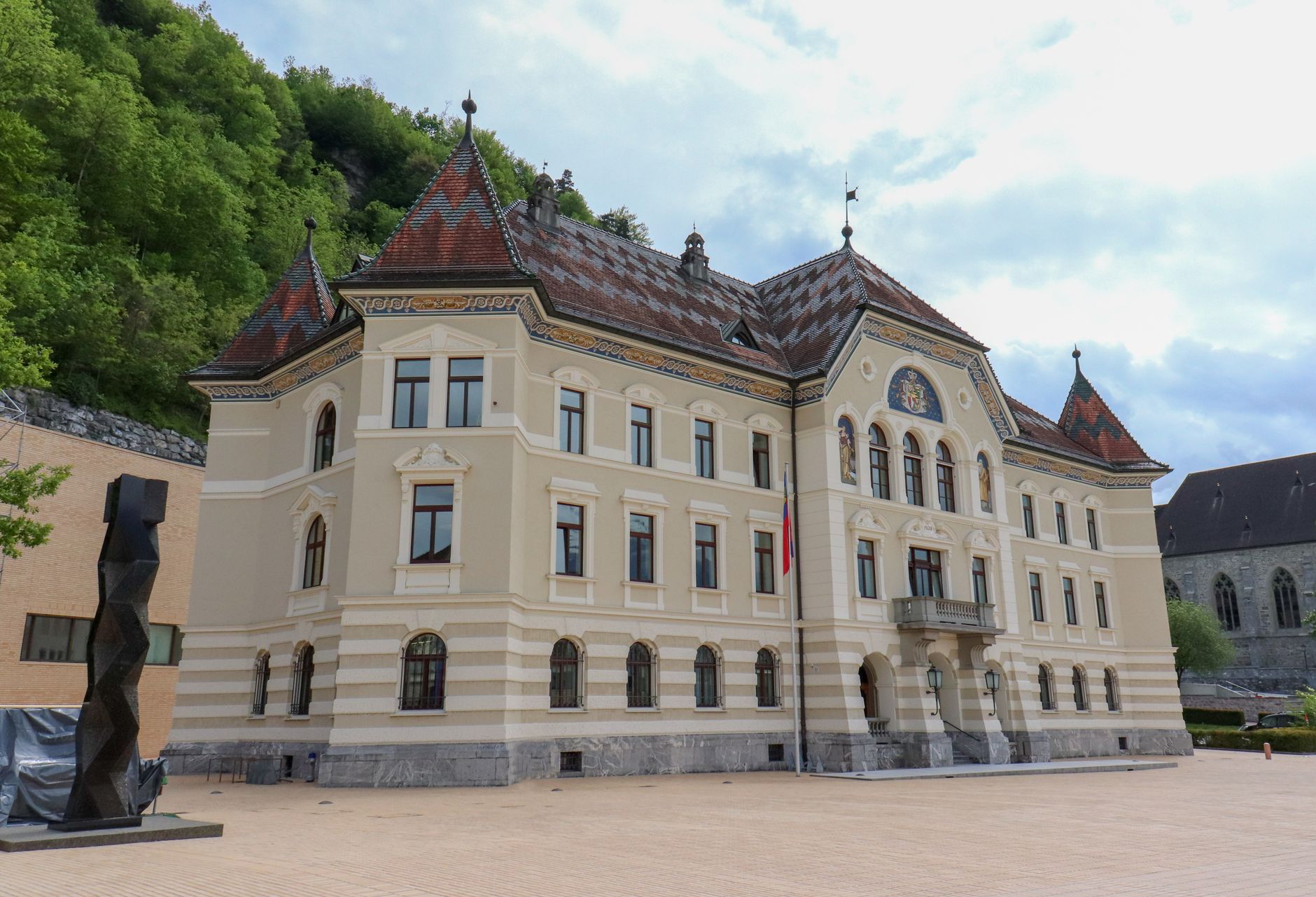
Liechtenstein’s Financial Market Authority (FMA) operates under the same regulatory standards as any EU national supervisor. This is not a technicality. The principality is a full member of the European Economic Area, meaning it has adopted the entire body of EEA financial services law that governs institutions in Germany, France, and the Netherlands.
That membership is frequently misunderstood. Liechtenstein is not an EU member state, but through the EEA Agreement it implements EU directives on electronic money, payment services, anti-money laundering, and investor protection with the same force of law. For businesses evaluating where to hold accounts or work with payment providers, this creates a specific and valuable certainty: Liechtenstein-regulated institutions are not operating in a parallel framework or a ‚lite‘ version of European standards.
The FMA supervises fewer than 300 licensed entities. That small population does not mean lax oversight — it means the regulator knows its licensees intimately. Supervision is rigorous, proportionate, and consistent. Institutions cannot rely on anonymity within a crowded market to dilute scrutiny. For clients, that translates into working with providers who understand that their licence is both valuable and revocable.
This regulatory coherence matters especially for businesses in emerging or complex sectors. The FMA has developed specific expertise in supervising electronic money institutions and payment providers serving Web3, gaming, and cross-border commerce — sectors where many traditional banks remain risk-averse or categorically decline service. Liechtenstein’s framework does not lower the bar; it applies the bar intelligently.
EEA Passporting: The Practical Advantage You Can Use Today

A licence issued by the FMA carries EEA passporting rights. That single sentence unlocks what makes Liechtenstein distinctive in practice. An Electronic Money Institution licensed in Liechtenstein can passport its services into every EU and EEA member state without securing individual national approvals in each jurisdiction.
For businesses, this is not an abstract regulatory privilege — it is immediate operational utility. If your company operates across multiple European markets, holds subsidiaries in different member states, or serves clients continent-wide, working with a Liechtenstein-regulated EMI means your payment infrastructure is natively multi-jurisdictional. You are not stitching together a patchwork of local banking relationships, each with its own onboarding, compliance burden, and monthly fees.
Passporting is the same legal mechanism that allows a bank licensed in Ireland to serve clients in Portugal, or a payment institution in the Netherlands to operate in Italy. Liechtenstein institutions use precisely the same framework. The difference is that Liechtenstein has built a regulatory environment specifically attractive to businesses that larger banking markets treat as too complex, too new, or too politically sensitive.
This is especially relevant as the EU’s Markets in Crypto-Assets Regulation (MiCA) comes into force. VASPs and crypto-native businesses now require regulated payment infrastructure that understands their sector and can support euro-denominated transactions, stablecoin on/off-ramps, and high-frequency cross-border flows. A Liechtenstein EMI with EEA passporting offers that capability without requiring the VASP to establish banking relationships in every market it serves.
Passporting also matters for reputational clarity. Your clients, partners, and auditors see IBANs issued by a regulated, EEA-supervised institution. That removes questions before they are asked.
A Professional Ecosystem Built Around Complexity
Liechtenstein’s value is not solely regulatory. It is the density of professional infrastructure that has developed around financial services over four decades. The principality hosts a long-established community of licensed trustees, fiduciaries, fund administrators, and corporate service providers, all working within a tightly supervised legal framework.
For international businesses with holding structures, cross-border ownership arrangements, or multi-entity corporate groups, this concentration creates practical efficiency. The entities structuring your corporate affairs and the institutions managing your payment flows operate under the same supervisory authority, within the same legal environment, and often with direct professional familiarity. That coherence reduces friction, accelerates onboarding, and minimises the risk of conflicting advice.
Trustees in Liechtenstein are not informal operators. They hold licences issued by the FMA and are subject to the same anti-money laundering and due diligence obligations as banks and EMIs. This means that when your corporate structure requires coordination between fiduciary, legal, and payment layers, all parties are working to consistent standards. You are not translating across incompatible compliance regimes or reconciling contradictory risk appetites.
This matters especially for businesses whose structures are legitimate but complex. Affiliate networks with dozens of payout beneficiaries across Europe. Gaming operators with multi-jurisdictional licensing. Web3 companies with token treasury management needs. These are not edge cases in Liechtenstein’s professional ecosystem — they are the standard client profile. The infrastructure has evolved to handle complexity as routine, not as exception.
The result is an environment where your payment provider understands that your business model is not a red flag simply because it does not fit a retail consumer template. Liechtenstein’s professional community is calibrated for businesses that are regulated, international, and structurally sophisticated.
Stability as Infrastructure, Not Marketing

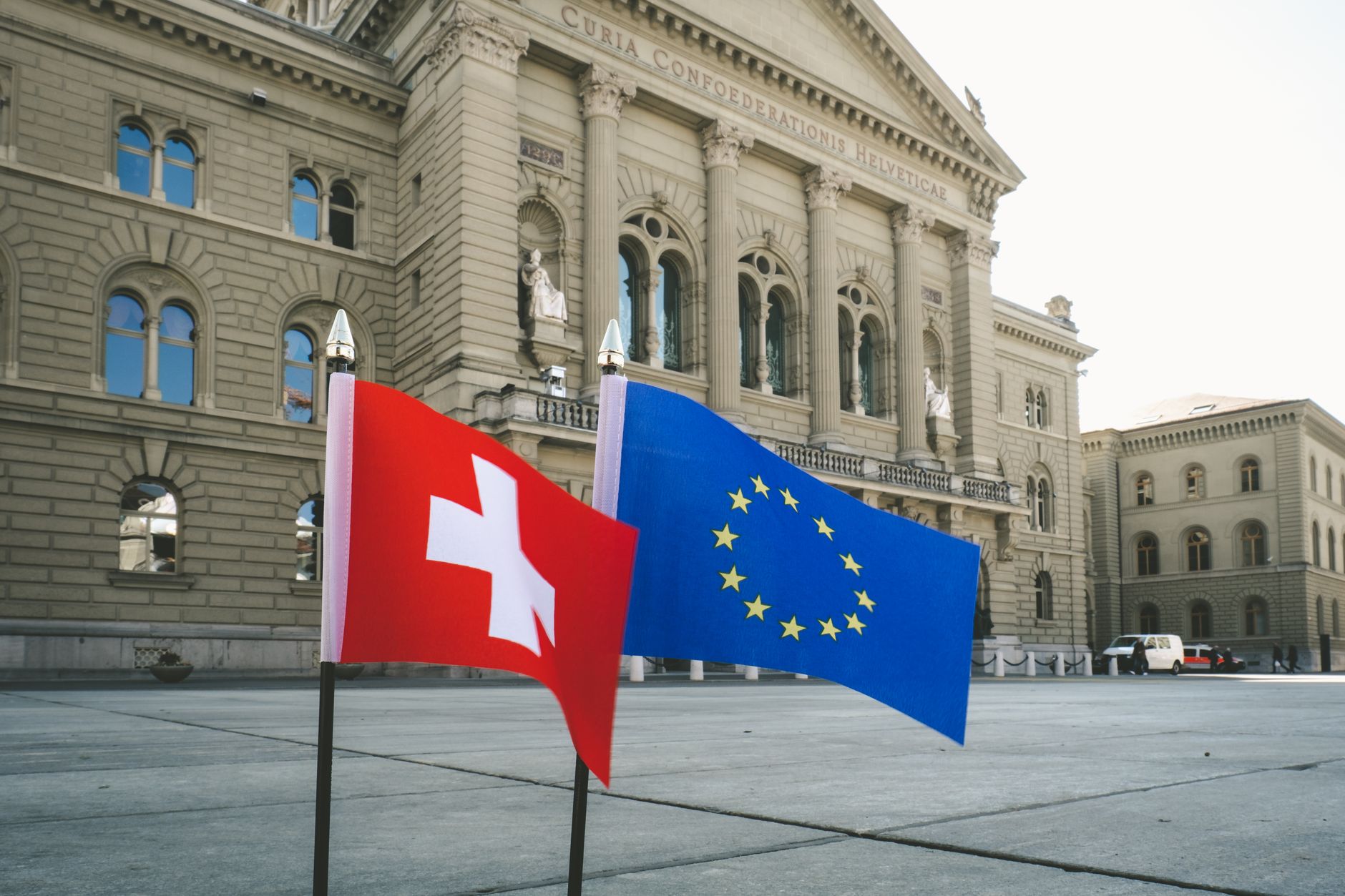
Liechtenstein has operated with a fiscal surplus for most of the past two decades. It carries no national debt. Its monetary arrangement with Switzerland — using the Swiss franc as its official currency — ties the principality to one of the world’s most stable monetary and banking frameworks. None of this is coincidental. It reflects decades of deliberate policy prioritising institutional reliability over political expediency.
For businesses evaluating where to hold operating accounts, this stability is infrastructure, not background colour. Regulatory frameworks in Liechtenstein do not shift with election cycles. Licensing standards remain consistent. The institutions operating within them tend to have long track records, and the regulator has the resources and mandate to enforce compliance without political interference.
This is not to suggest that Liechtenstein is static or resistant to innovation. The FMA was among the first European regulators to issue guidance on blockchain-based business models, and Liechtenstein enacted the Token and Trusted Technology Service Provider Act (TVTG) in 2020 — a bespoke legal framework for token economies that predates MiCA and remains one of the most sophisticated in Europe. The combination of stability and forward-looking regulation is rare.
The Swiss franc peg further insulates Liechtenstein institutions and their clients from eurozone monetary policy volatility. While most corporate accounts in Europe are denominated in euros, the underlying institutional and economic environment is anchored to Swiss monetary discipline. For businesses managing treasury across multiple currencies, this adds a layer of systemic confidence that is difficult to quantify but easy to appreciate during periods of macroeconomic uncertainty.
Stability also shows in institutional continuity. Many Liechtenstein financial and fiduciary firms have operated for 30, 40, or 50 years under the same regulatory regime. That kind of continuity breeds institutional knowledge, careful risk management, and a professional culture that does not confuse agility with recklessness.
Why Liechtenstein Matters for Your Corporate Account

Tantum is a Liechtenstein-regulated Electronic Money Institution, licensed and supervised by the FMA. That means the cuentas corporativas multidivisa we provide operate within the same EEA-passported, rigorously supervised framework described throughout this article.
If your business needs EUR, USD, GBP, or CHF accounts with dedicated IBANs issued in your company’s own name — and your sector or structure makes traditional banks hesitant — Liechtenstein’s regulatory ecosystem is worth understanding as a considered strategic choice, not a fallback. This is especially true for Web3 businesses preparing for MiCA compliance, affiliate networks managing hundreds of cross-border payouts monthly, or B2B operators in gaming, adult, or high-risk merchant categories that remain underserved by incumbent banks.
The practical advantages are immediate: you gain access to a regulated payment infrastructure that understands your business model, supports multi-currency operations natively, and offers EEA-wide reach without requiring you to establish separate banking relationships in every market. You also gain the reputational clarity that comes from working with an institution supervised by a recognised European regulator, not an offshore or unregulated alternative.
Liechtenstein’s small size is often mistaken for limited capability. In practice, the opposite is true. The principality’s financial sector is purpose-built for businesses that are international, regulated, and structurally complex. The institutions operating there do not treat complexity as risk by default — they treat it as the professional standard.
For businesses that have been declined by traditional banks, or that find themselves constantly re-explaining their business model to relationship managers trained on retail templates, Liechtenstein offers something increasingly rare: a regulated financial ecosystem that starts from the assumption that your business is legitimate, and asks only that you operate transparently within a clear compliance framework. That is not a niche advantage. For many European businesses today, it is the difference between scaling across borders and remaining constrained by outdated banking infrastructure.
Liechtenstein’s position within European financial services is neither accidental nor precarious. It is the result of decades of institutional discipline, regulatory coherence, and a professional ecosystem calibrated for businesses that are international, complex, and underserved by traditional banking infrastructure.
For businesses evaluating where to hold corporate accounts in 2025 and beyond, understanding the principality’s regulatory framework and EEA integration is not a compliance exercise — it is strategic infrastructure. The question is not whether Liechtenstein is large enough to matter. The question is whether your current banking relationships are sophisticated enough to support where your business is going.
¿Listo para abrir su cuenta corporativa?
Tantum Pay ofrece cuentas corporativas multidivisa (EUR, USD, GBP, CHF) con IBAN dedicados e infraestructura de pagos masivos, diseñadas para negocios europeos de criptomonedas, Web3 y de alto volumen.